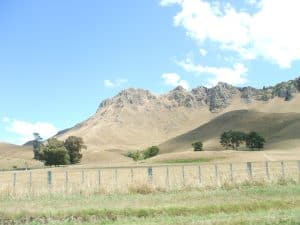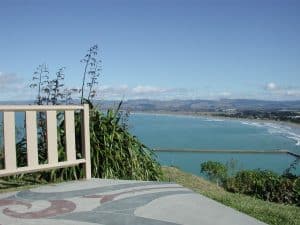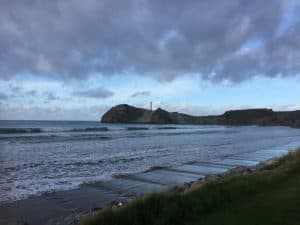
Cape Kidnappers — Te Kauwae-a-Māui to local iwi — is where the world’s largest, most accessible mainland gannet colony gathers on the cliffs south of Napier and Hastings. We reckon it’s one of Hawke’s Bay’s best free days out, if you’re willing to earn it: this isn’t a five-minute lookout, it’s a proper coastal mission.
The Māori name translates as “the jawbone of Māui,” from the legend of the demigod hauling up the North Island with a magic hook — the jawbone he used is said to have been left behind here, forming the cape. Captain Cook gave it its English name in 1769 after a scuffle over a young crew member aboard the Endeavour.
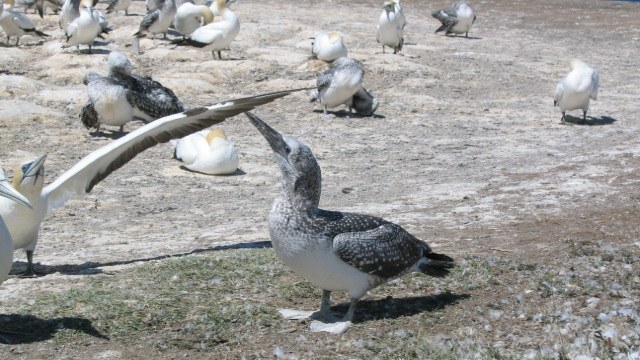
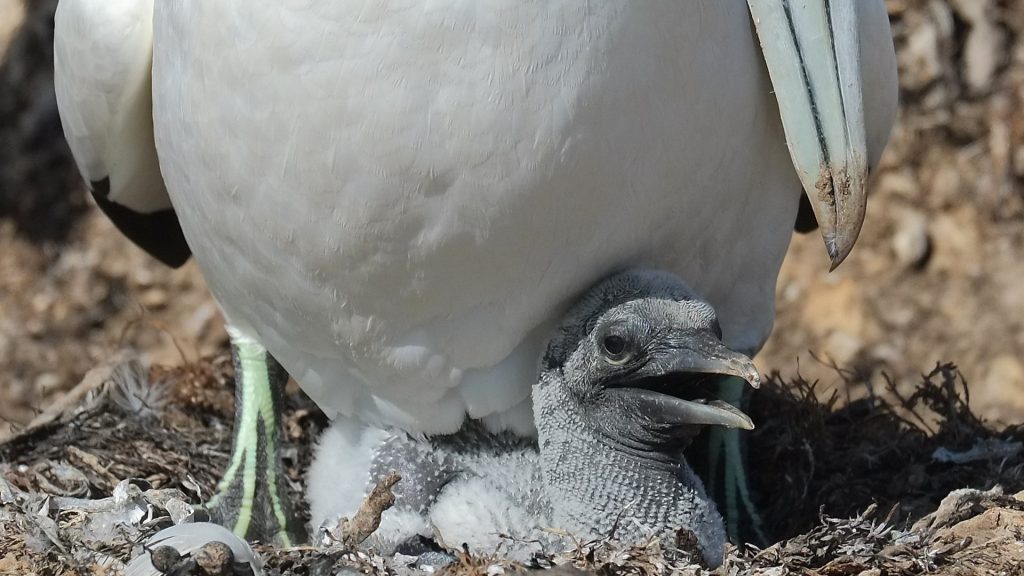
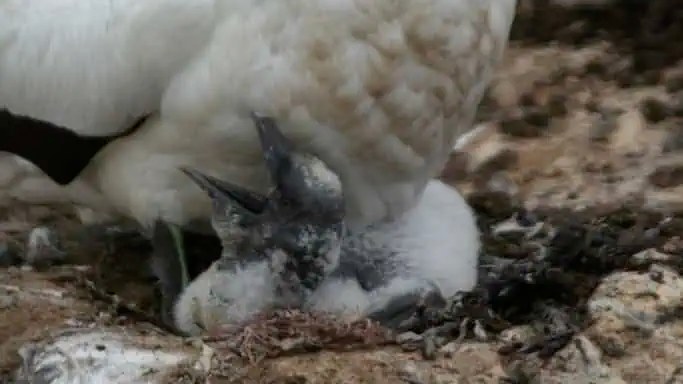
Since the 1870s, Australasian gannets/tākapu have nested on the plateau and at Black Reef below — now around 6,500 breeding pairs, busiest from October through December when the chicks hatch.
Getting there on foot is free, but it’s tide-dependent and serious: the walk starts at Clifton and follows the beach roughly 7.5km to Black Reef, then climbs to the plateau colony — about 19km return, allow five hours, and only attempt it within 2.5 hours either side of low tide (check tide tables before you go). Sturdy boots, water and sun protection are essential, and the cliffs are prone to rockfall. If the full walk isn’t for you, paid tractor and 4WD tours run overland from Clifton and Te Awanga.
Keep at least 5 metres from nesting birds, and leave dogs at home. Whichever way you get there, standing among thousands of gannets on the edge of the Pacific is unforgettable.
Photos: Sabine’s Sunbird, Mr3641, and Pseudopanax via Wikimedia Commons.