Getting there and around
Rotorua Airport has direct domestic flights from Auckland, Wellington, and Christchurch, and the city is also an easy 2.5–3 hour drive from Auckland via SH1 and SH5. InterCity buses connect Auckland, Hamilton, Rotorua, and Taupō several times daily, with Rotorua to Taupō itself around an hour by car or bus.
Rotorua’s geothermal parks and cultural experiences, and Taupō’s lakefront, are best explored by hire car, since many attractions sit outside the town centres with no regular bus service. Rotorua does have a small local bus network for getting around town, but a car — or an organised day tour — is the more reliable way to reach outlying sights like Waimangu or the Tongariro Crossing trailheads.
Overview
Rotorua and Taupō sit in the centre of New Zealand’s North Island within the Taupo Volcanic Zone — one of the most geothermally active regions on Earth. Rotorua city (population ~57,000) is built directly on a geothermal field, and the sulphurous steam rising from footpaths and parks is a defining characteristic of the town. Lake Taupō, 80 kilometres south of Rotorua, is the largest lake in Australasia by surface area at 616 square kilometres, and sits in a caldera formed by a supervolcanic eruption approximately 1,800 years ago. The region is also the heartland of Ngāti Tūwharetoa and Te Arawa iwi (tribes), and represents one of the most significant locations for Māori cultural tourism in New Zealand.
Top Things to Do
Te Puia Geothermal Valley & Māori Arts
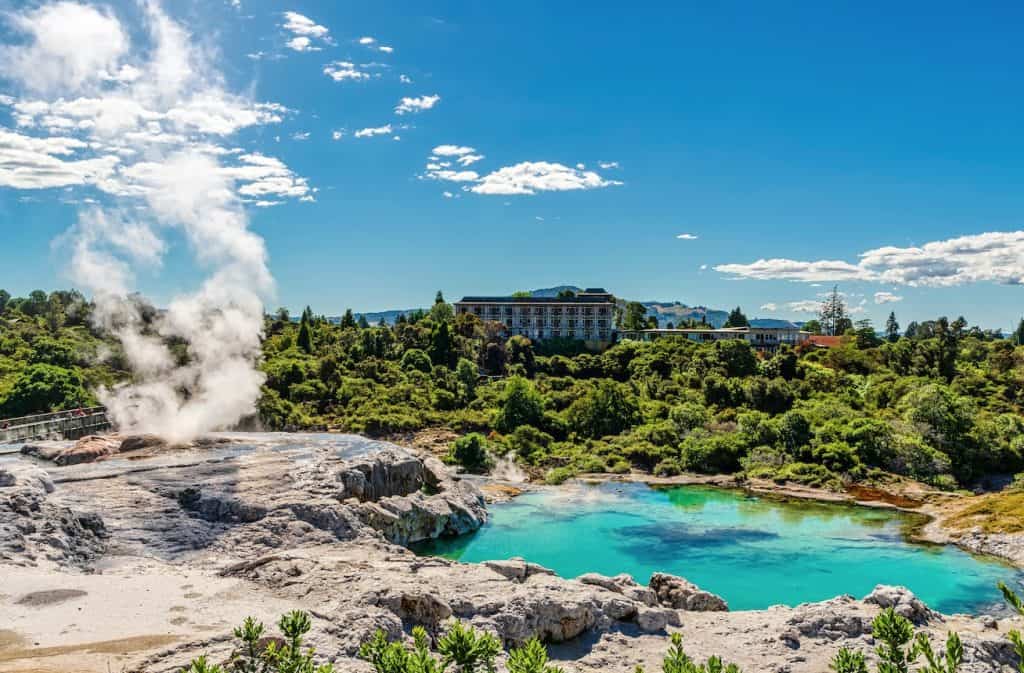
Te Puia in Whakarewarewa, Rotorua, is home to the Pōhutu Geyser — the largest active geyser in the Southern Hemisphere, erupting up to 30 metres high. The complex also houses the New Zealand Māori Arts and Crafts Institute, where master carvers (tohunga whakairo) and weavers practise and teach traditional crafts. Evening cultural performances and hāngī meals are available.
Wai-O-Tapu Thermal Wonderland
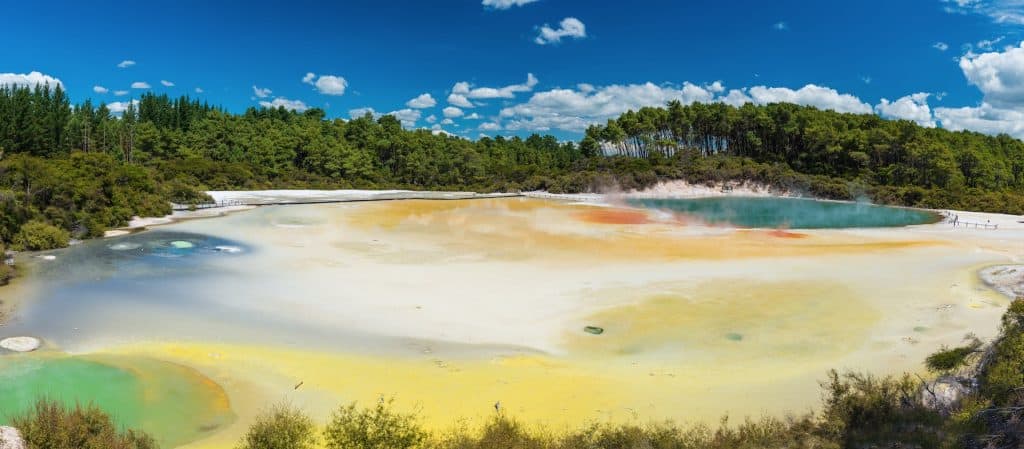
Wai-O-Tapu is a geothermal park 27 kilometres south of Rotorua featuring the vivid Champagne Pool (a 65-metre wide hot spring at 74°C), the Artist’s Palette, and the Lady Knox Geyser, which erupts daily at 10:15am. The colour of the pools results from sulphur, arsenic, antimony, and gold deposits in the water.
Tongariro Alpine Crossing
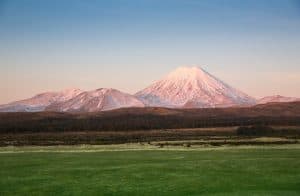
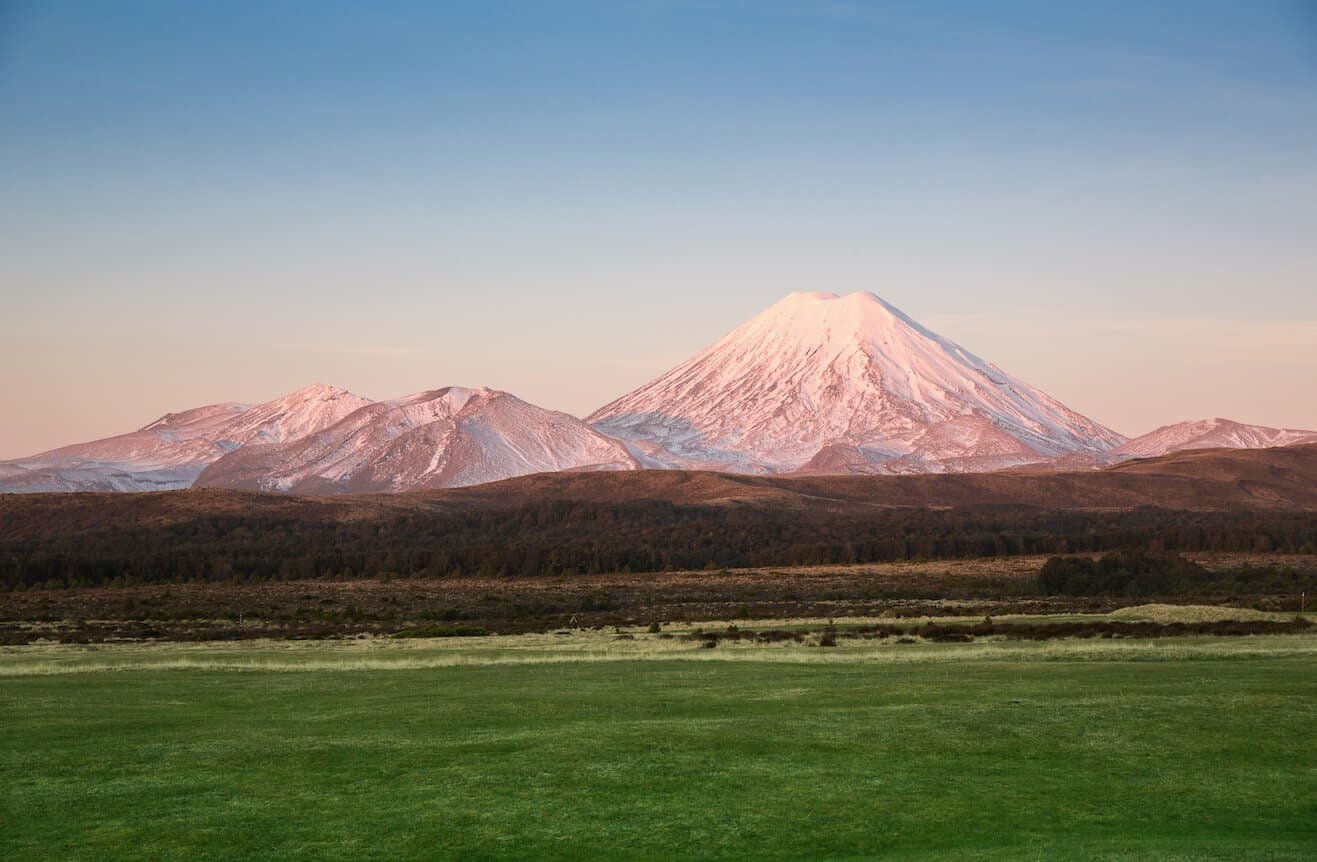
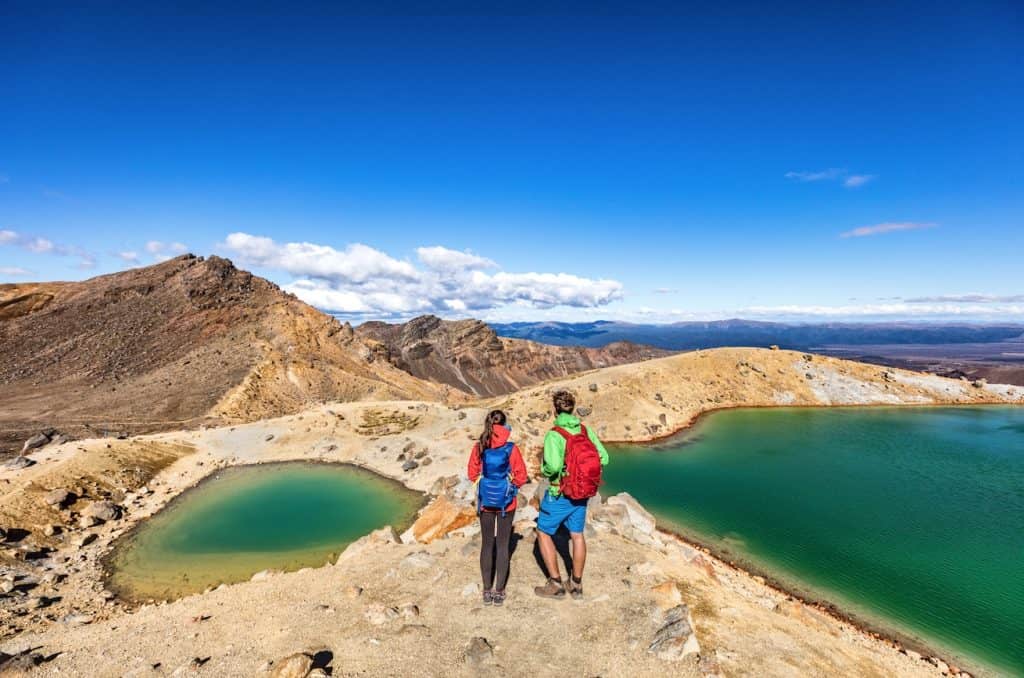
The Tongariro Alpine Crossing is widely regarded as New Zealand’s best one-day walk and passes through the active volcanic landscape of Tongariro National Park. The 19.4-kilometre track crosses the South Crater, Red Crater, and passes the vivid Emerald Lakes. The park is a dual UNESCO World Heritage Site for both natural and cultural values — the mountains are considered sacred to Ngāti Tūwharetoa. The crossing is accessible from Taupō (1.5 hours drive) or National Park Village.
Huka Falls
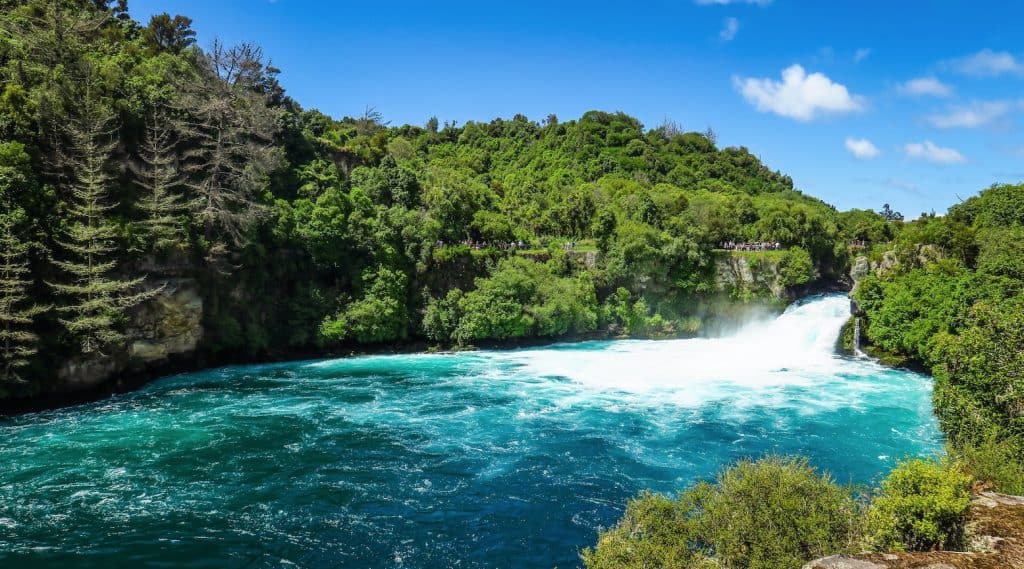
Huka Falls on the Waikato River, 2 kilometres north of Taupō township, is the most visited natural attraction in New Zealand. The falls force the full flow of New Zealand’s longest river through a 15-metre wide gorge, producing a turquoise jet of water with a flow rate of up to 220,000 litres per second. The viewing area is a short flat walk from the car park.
Wairakei Terraces & Geothermal Pools
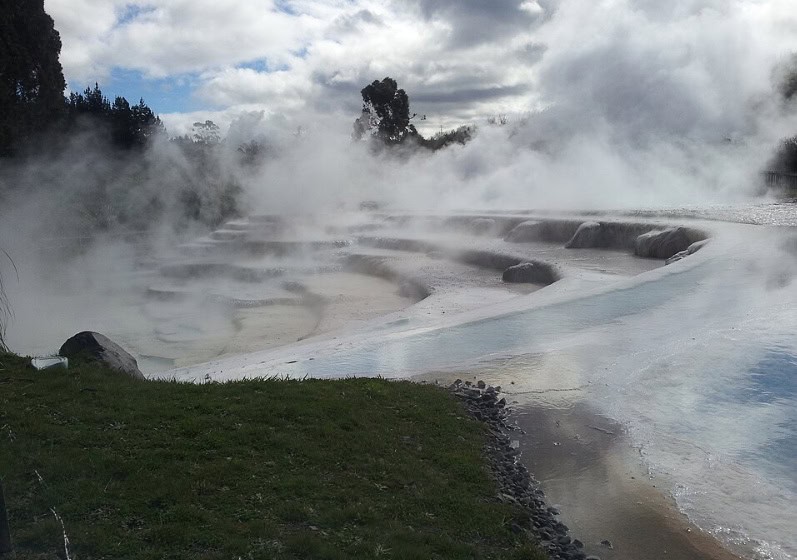
The Wairakei Terraces north of Taupō feature silica terraces formed by geothermal water, designed to replicate the famous Pink and White Terraces destroyed in the 1886 Tarawera eruption. The complex includes thermal bathing pools fed by geothermal water and a Māori cultural experience. Water temperatures in the bathing pools range from 36°C to 42°C.can
Getting There
Rotorua Airport (ROT) is served by Air New Zealand from Auckland and Wellington. The drive from Auckland to Rotorua is approximately 3 hours via State Highway 1 and 5. Taupō is a further 1 hour south of Rotorua on State Highway 1. InterCity and Mānui bus services connect both towns to Auckland, Wellington, and Hamilton.

Author: Tripplanner Team
The Tripplanner.nz editorial team, based in Matakana north of Auckland. We write the regional guides and road trips, and add listings for places we think every visitor should know about, alongside the locals who share their own favourite spots here.