Getting there and around
Hamilton Airport offers a small number of domestic flights, but most visitors arrive by road — Hamilton sits about 1.5 hours south of Auckland via the Waikato Expressway, making it an easy first stop heading south. InterCity buses run frequently between Auckland and Hamilton, and the region is also served by the Te Huia passenger rail service linking Hamilton to Auckland.
A hire car is the most practical way to see the Waikato properly, since highlights like Hobbiton, Waitomo Caves, and Raglan’s surf beaches sit in small towns with little to no public transport between them. Hamilton has a local bus network for getting around the city centre, but exploring the wider region really requires your own wheels.
Overview
The Waikato region sprawls across the heart of the North Island, anchored by New Zealand’s longest river — the mighty Waikato — which drains southward from Lake Taupō to the Tasman Sea. It is a region of remarkable contrasts: lush green dairy farmland, dramatic black sand surf beaches, ancient limestone cave systems, and some of the most significant Māori cultural heritage sites in the country.
Hamilton, the region’s main city, is a vibrant university city that sits on the banks of the Waikato River. It’s home to New Zealand’s largest indoor gardens — Hamilton Gardens — and a growing restaurant and café scene reflecting its youthful, multicultural population. Ngaruawahia, just north of Hamilton, is the seat of the Māori King movement (Kīngitanga) and one of the most important Māori cultural centres in the country.
For most international visitors, the Waikato is defined by two extraordinary experiences: the world-famous Hobbiton Movie Set near Matamata, and the Waitomo Glowworm Caves, where millions of bioluminescent larvae coat cave ceilings in a living galaxy of blue-green light. Both are among New Zealand’s most iconic visitor attractions, and both reward booking well in advance. The Waikato is easily combined with the Bay of Plenty and Rotorua on a central North Island loop from Auckland.
Top Things to Do in Waikato
Hobbiton Movie Set, Matamata
The Alexander family’s Shire’s Rest farm near Matamata has become one of New Zealand’s top international visitor attractions since Peter Jackson chose it as the permanent set for Hobbiton in the Lord of the Rings and Hobbit film trilogies. Guided tours walk visitors through 44 Hobbit holes, lush garden plantings designed to look camera-ready, and conclude at the Green Dragon Inn — a fully functioning pub where you can enjoy specially brewed ales and ciders. Booking well in advance is strongly recommended, especially in peak summer season, as tours sell out regularly.

Waitomo Glowworm Caves
Deep beneath the Waitomo limestone plateau, millions of tiny glowworm larvae (arachnocampa luminosa — found only in New Zealand and Australia) coat the ceilings of ancient cave chambers in a breathtaking constellation of bioluminescent light. The standard guided tour culminates in a silent boat ride through the cathedral-like Glowworm Grotto, looking up at a roof that resembles a star-filled night sky. For more adventurous visitors, blackwater rafting through underground rivers and abseiling into cave systems are world-class adventure activities unique to Waitomo. The adjacent Ruakuri and Aranui Caves offer contrasting cave environments worth visiting on the same day.

Raglan — New Zealand’s Most Famous Surf Town
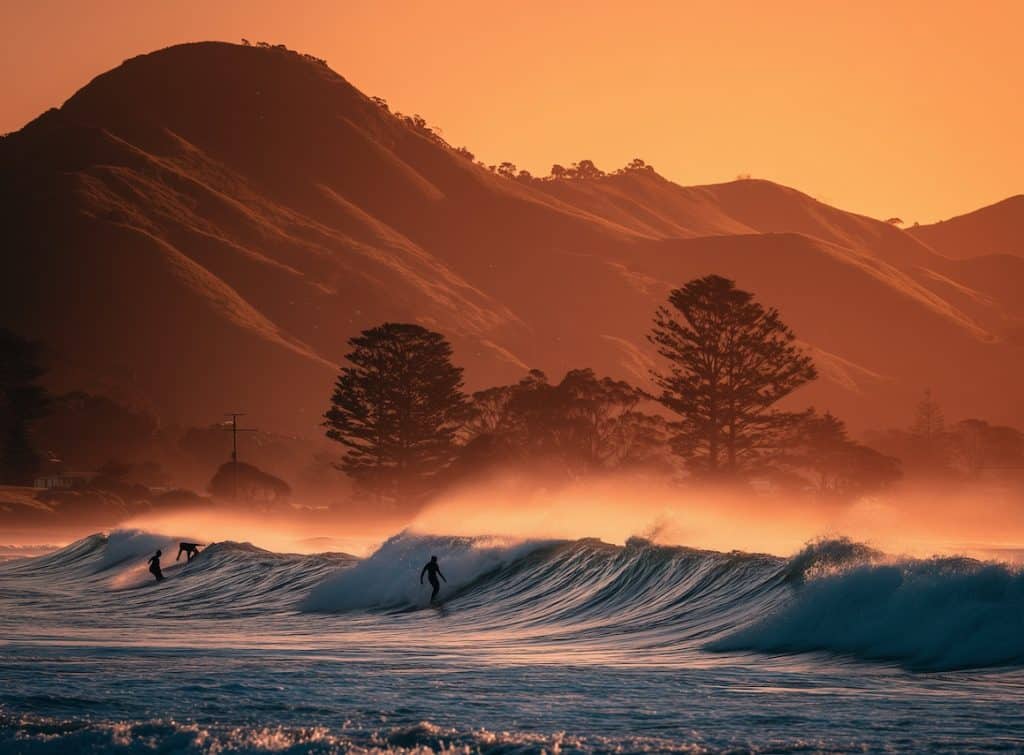
Perched on a dramatic harbour on the Tasman Sea coast, Raglan is one of New Zealand’s most beloved bohemian surf towns. Its left-hand point break at Manu Bay is one of the longest in the Southern Hemisphere, attracting professional surfers from around the world. The town itself has a vibrant arts scene, excellent cafés, and a relaxed, alternative culture. The black sand beaches and forest-backed harbour are stunning, and the Bridal Veil Falls (Waireinga) — a 55-metre waterfall in a native bush reserve just 20 minutes south of Raglan — is an outstanding short detour.
Hamilton Gardens
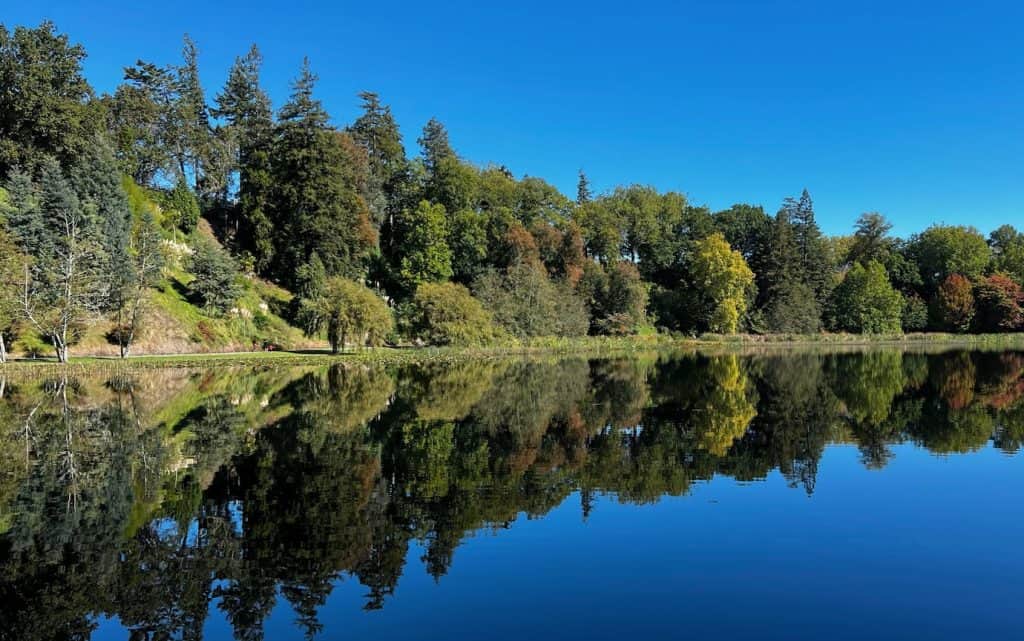
Described by many as New Zealand’s most visited attraction, Hamilton Gardens are not a single botanical garden but a collection of thematic enclosed garden worlds, each perfectly designed to transport visitors to a different cultural landscape — from a Japanese garden to an Indian char bagh, an Italian Renaissance garden, and a traditional English kitchen garden. The Gardens regularly win international tourism awards and are consistently one of the most-photographed locations in the Waikato. Some themed garden areas carry an admission fee while others are free to enter.

Waikato Museum (Te Whare Taonga o Waikato)
Hamilton’s riverside museum is one of the most underrated regional institutions in New Zealand. The permanent collection includes an extraordinary taonga Māori gallery featuring the intricately carved Te Winika canoe — one of the finest surviving examples of traditional Māori waka craftsmanship in the world. The museum also holds an impressive contemporary art collection and regularly presents major touring exhibitions. The riverside location makes it easy to combine with a walk or cycle along the Waikato River Trails, which now extend for over 100km through the region.

Sanctuary Mountain Maungatautari
An hour south of Hamilton, Sanctuary Mountain Maungatautari is one of the most ambitious ecological restoration projects in New Zealand. The 3,400-hectare podocarp forest reserve is enclosed within 47km of predator-proof fencing — the longest such fence in the Southern Hemisphere — creating a safe haven for some of New Zealand’s most endangered native species. Visitors can walk through the Tautari Wetland, the inner Southern Enclosure, and the Tuatara Enclosure to encounter kiwi, tuatara, kākāpō, kōkako, and little spotted kiwi in near-natural forest conditions.

Cambridge & the Waikato’s Thoroughbred Country
The charming tree-lined town of Cambridge, 20 minutes east of Hamilton, is the centre of New Zealand’s thoroughbred horse breeding industry. The Waikato’s fertile volcanic soils and mild climate have made it internationally renowned for producing champion racehorses, and the rolling paddocks between Cambridge and Matamata are dotted with elite stud farms. Cambridge itself is a delight — a compact, walkable heritage town with excellent antique shops, cafés, and the beautiful St Andrew’s Anglican Church. The Cambridge Country Store and Avantidrome (New Zealand’s national cycling centre) are popular visitor stops.

Author: Tripplanner Team
The Tripplanner.nz editorial team, based in Matakana north of Auckland. We write the regional guides and road trips, and add listings for places we think every visitor should know about, alongside the locals who share their own favourite spots here.