

New Zealand is the only country in the world where Māori culture forms a living, everyday part of national life — not a museum exhibit. Māori (tangata whenua, or people of the land) have inhabited Aotearoa New Zealand for around 700 years, and their language, art, traditions, and worldview are embedded in place names, architecture, food, and ceremony across the country. For visitors, encountering te ao Māori (the Māori world) authentically — rather than as a performance staged solely for tourists — requires knowing where to go. These ten experiences offer genuine depth, guided by iwi (tribal communities) and Māori-led operators.
1. Te Puia, Rotorua
📍 Whakarewarewa, Rotorua

Te Puia sits within the Whakarewarewa geothermal valley and combines two things found nowhere else in the world together: the Pōhutu Geyser (the largest active geyser in the Southern Hemisphere) and the New Zealand Māori Arts and Crafts Institute, where tohunga whakairo (master carvers) and raranga (weavers) teach and practise traditional crafts in a working environment open to visitors. Evening kapa haka performances and hāngī meals allow visitors to experience Ngāti Wāhiao and Tūhourangi tribal culture in its home territory.
Best for: Cultural immersion, geothermal sightseeing, families
Local tip: Book the evening cultural experience rather than the daytime tour for smaller crowds and a fuller programme.
2. Waitangi Treaty Grounds, Bay of Islands
📍 Paihia, Northland

The Waitangi Treaty Grounds are New Zealand’s most significant historic site — the place where the Treaty of Waitangi was first signed on 6 February 1840 between the British Crown and Māori rangatira (chiefs). The grounds contain the Treaty House (1833), Te Whare Rūnanga (a meeting house whose carved interior panels represent iwi from across New Zealand), and Ngātokimatawhaorua, the world’s largest ceremonial waka taua (war canoe) at 35 metres. Daily guided tours are led by Māori cultural ambassadors and contextualise the Treaty’s ongoing relevance to New Zealand society.
Best for: History, politics, cultural context, all ages
Local tip: Visit on 6 February (Waitangi Day) for the national commemorations, though crowds are large — arrive early.
3. Tamaki Māori Village, Rotorua
📍 Rotorua
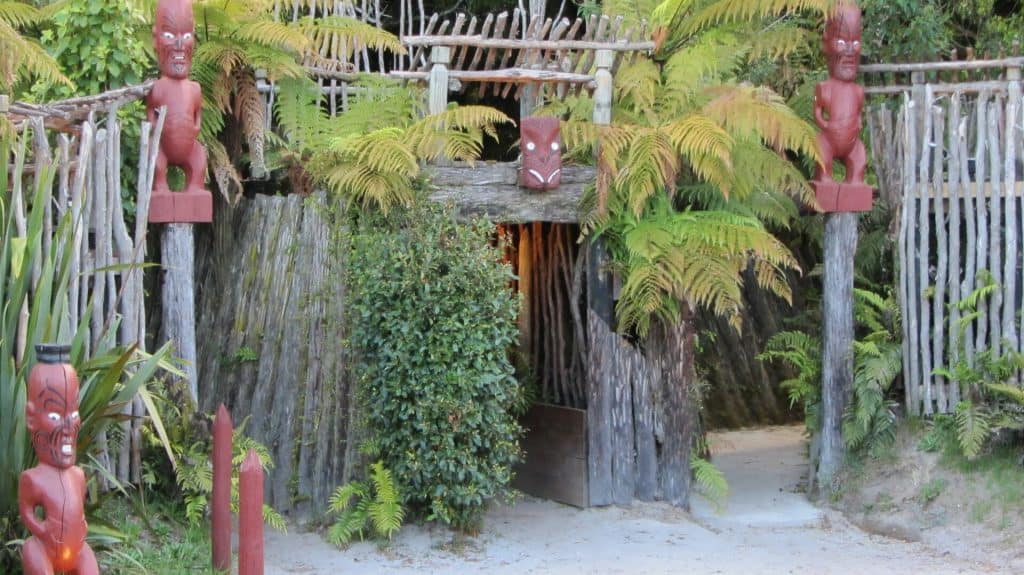
Tamaki Māori Village is a purpose-built living village experience operated by the Tamaki family (Ngāti Pikiao and Ngāti Tūwharetoa), set in native forest 15 minutes from Rotorua. Evening tours begin with a pōwhiri (formal welcome ceremony) at the village gates, followed by demonstrations of traditional skills — flax weaving, poi, wero (challenge), and kapa haka — before a hāngī feast cooked in an earth oven. The experience is widely regarded as one of the most professionally produced cultural tourism offerings in New Zealand.
Best for: First-time visitors, groups, evening activity
Local tip: Book the ‘Pre-Show Village Experience’ add-on for a more interactive exploration before the main programme begins.
4. Mitai Māori Village, Rotorua
📍 Rotorua

Mitai Māori Village, located in the Fairy Springs area of Rotorua, is a family-owned experience (Ngāti Whakaue) featuring a warrior canoe (waka) arrival on the Wai-o-whiro Stream — a genuinely dramatic entry. The evening includes cultural performances, a hāngī meal, and a guided bush walk to see glow-worms in their natural habitat beside the crystal-clear Fairy Springs.
Best for: Families, glow-worms, evening activity
Local tip: Bring a warm layer for the after-dark bush walk — the glow-worms are a highlight for many visitors.
5. Te Ana Māori Rock Art Centre, Timaru
📍 Timaru, Canterbury

Te Ana presents the rock art (tā kōwhai) of Waitaha and Ngāi Tahu Māori, painted in charcoal and red ochre on limestone overhangs throughout inland South Canterbury over approximately 600 years. The centre in Timaru provides cultural context before guided tours to the actual sites — the largest concentration of Māori rock art in New Zealand. The imagery depicts moa, taniwha (supernatural creatures), humans, and abstract forms, and provides direct evidence of early South Island Māori hunter-gatherer culture.
Best for: History, art, authentic archaeological sites
Local tip: The Raincliff site tour (30 minutes from Timaru) is the most spectacular — book ahead as group sizes are limited.
6. Tūhoe Cultural Immersion, Te Urewera
📍 Whakatāne, Bay of Plenty
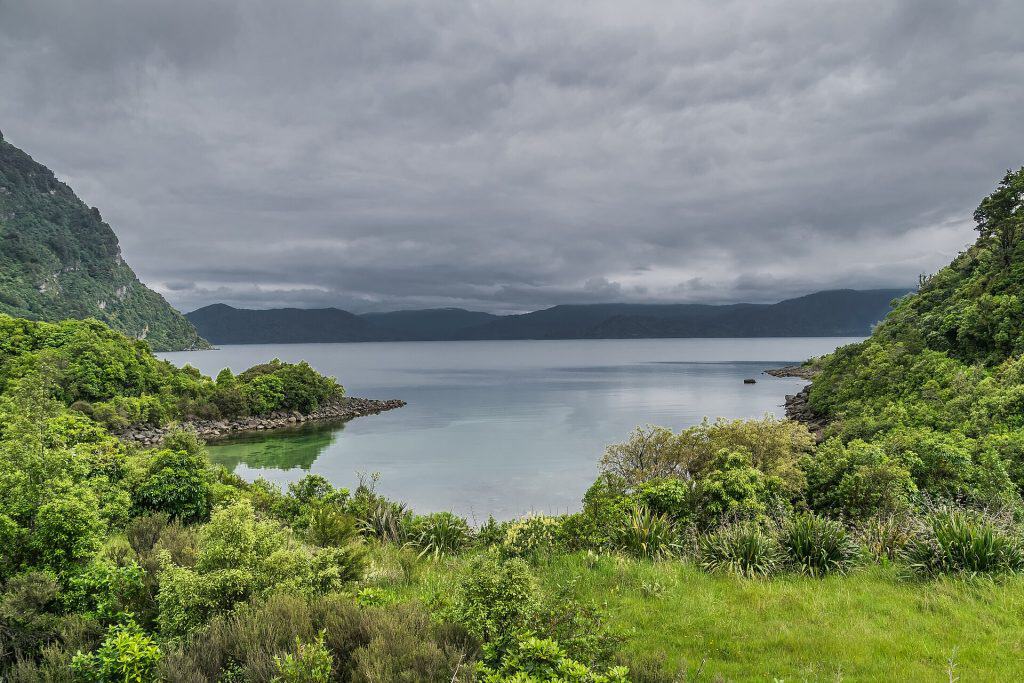
Te Urewera — the vast forested heartland of Tūhoe (the Children of the Mist) — became the first piece of land in New Zealand to be granted legal personhood in 2014. Tūhoe-operated tourism experiences based in Rūātoki and Taneatua offer marae stays, guided walks through Te Urewera, and cultural programmes run entirely by community members. These experiences are among the most authentic available in New Zealand and require advance arrangement directly with Tūhoe community operators.
Best for: Genuine immersive experiences, small groups, adventurous travellers
Local tip: Contact Tūhoe Tourism directly to arrange visits — these experiences are not available through mainstream booking platforms.
7. Whakarewarewa Living Māori Village, Rotorua
📍 Rotorua
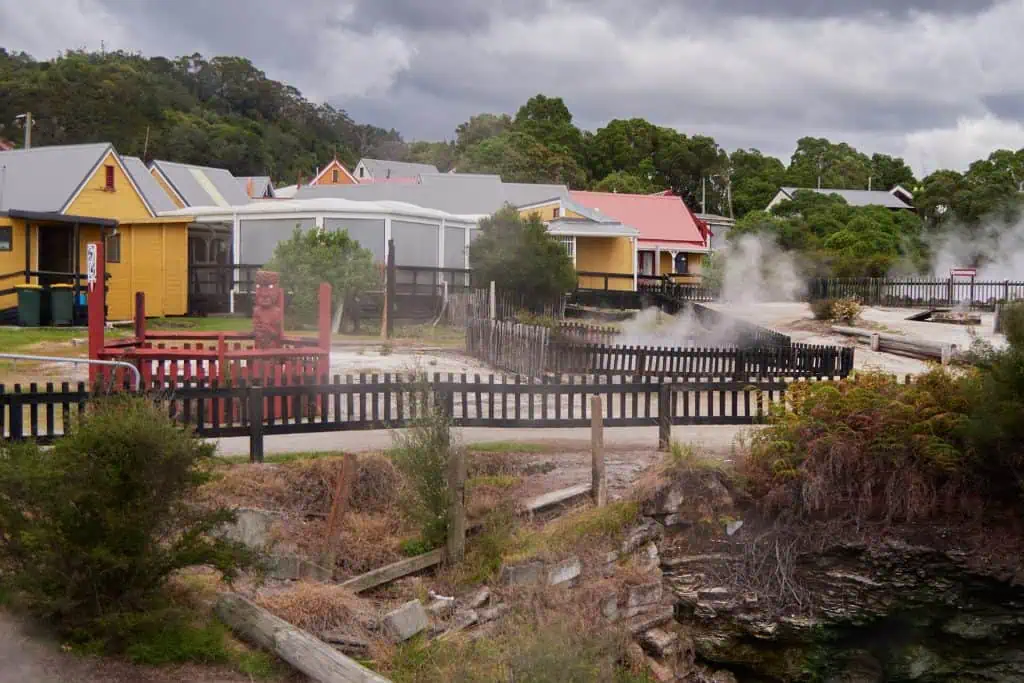
Unlike the adjacent Te Puia complex, Whakarewarewa Village is a still-inhabited geothermal settlement where Tūhourangi Ngāti Wāhiao families have lived continuously for over 200 years. Guided tours are led by village residents, passing through a geothermal landscape of boiling pools, hot streams, and steaming ground that the community cooks in and bathes in daily. The village hosts the annual Matariki New Year celebrations and gives visitors direct access to living cultural practice rather than a staged reconstruction.
Best for: Authentic cultural contact, geothermal curiosity, Rotorua day visits
Local tip: Ask your guide about ngā taonga tuku iho — the cultural treasures passed down through generations specific to this whānau.
8. Hōkianga Harbour Marae Visit, Northland
📍 Hōkianga, Northland
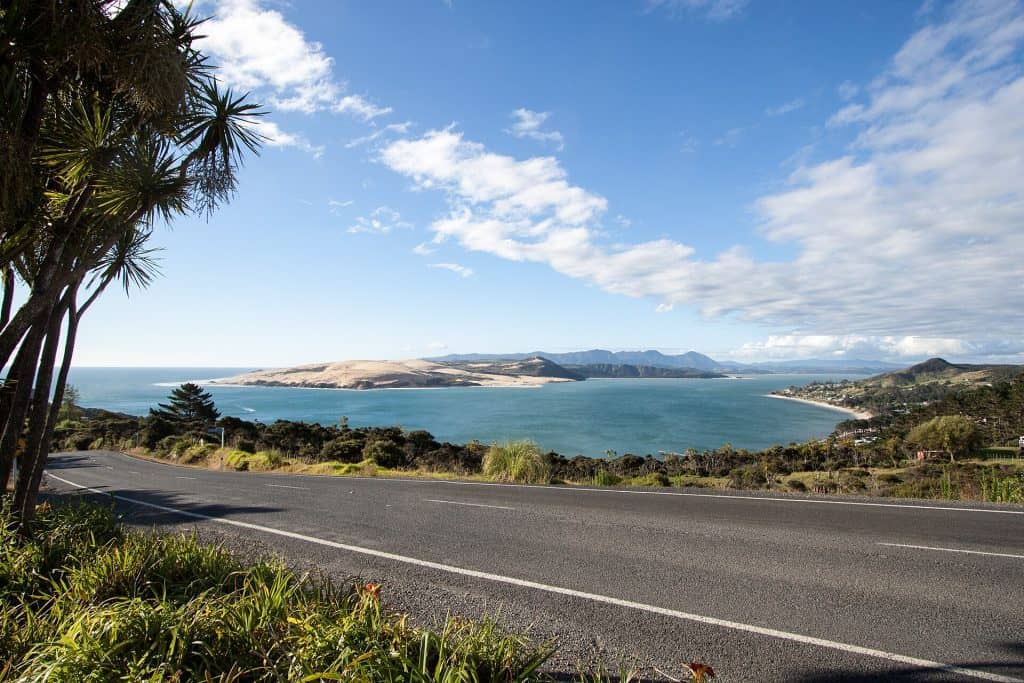
The Hōkianga Harbour region in Northland is one of the most significant areas in Māori oral history — oral tradition records it as the landing point of the Polynesian navigator Kupe, who is said to have first explored Aotearoa. The region has a high proportion of Māori residents (over 40 percent) and retains strong tikanga (customary practice). Several operators offer guided marae visits, waka journeys on the harbour, and cultural stays with local Ngāpuhi families, making this one of the best areas in New Zealand for visitors seeking contact with everyday Māori life.
Best for: Off-the-beaten-path, cultural depth, small groups
Local tip: Combine with the giant kauri of Waipoua Forest, home to Tāne Mahuta, just south of the harbour.
9. Te Papa Tongarewa, Wellington
📍 Wellington
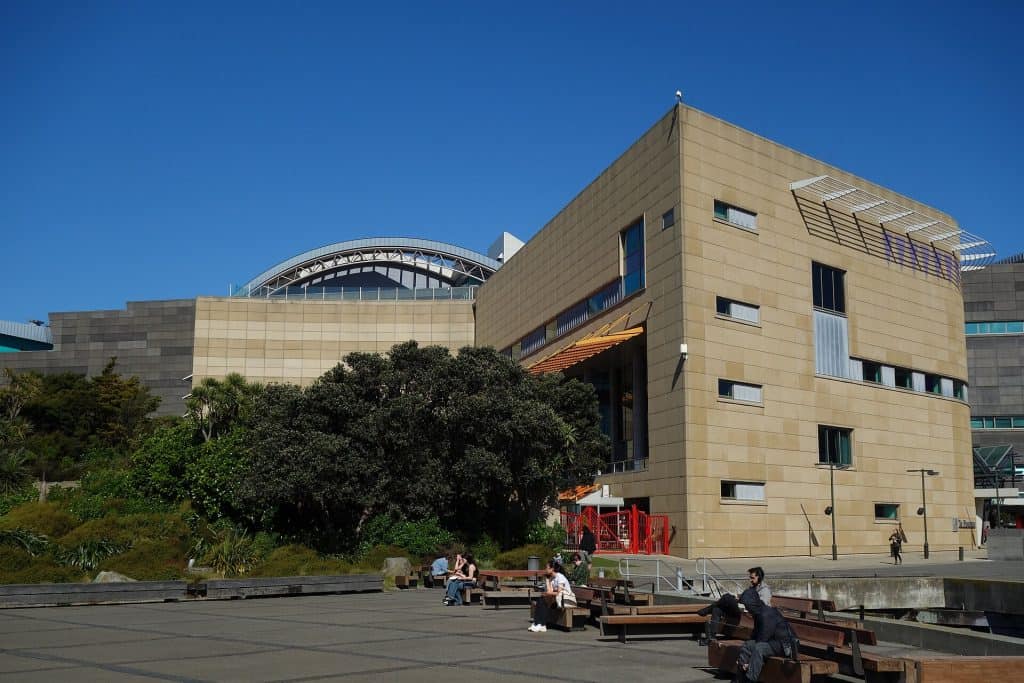
Te Papa Tongarewa (Our Place) is New Zealand’s national museum and holds one of the world’s most significant collections of Māori taonga (treasures). The museum’s Māori galleries include a full-scale wharenui (meeting house), Te Hono ki Hawaiki, and permanent exhibitions on the Treaty of Waitangi, Māori cosmology, and contemporary Māori art. Entry is free for New Zealanders and residents; charges apply for international visitors. Te Papa is an essential stop for understanding Māori culture before visiting marae or community-operated experiences elsewhere in the country.
Best for: All visitors, rainy days, families, context-building
Local tip: Book the one-hour Māori Highlights Tour — self-guided visits miss significant layers of meaning in the taonga.
10. Aoraki / Mount Cook Cultural Landscape
📍 Mackenzie Basin, Canterbury

Aoraki (Mount Cook) is the highest mountain in New Zealand at 3,724 metres and holds the highest spiritual significance in Ngāi Tahu cosmology — the mountain is considered an ancestor, not a landmark. The dual name Aoraki / Mount Cook reflects a 1998 Treaty settlement recognising Ngāi Tahu’s relationship with the peak. The Aoraki / Mount Cook National Park visitor centre at the village includes cultural interpretation panels, and guided walks with cultural commentary are available from DOC-registered operators who explain the landscape through a Ngāi Tahu lens alongside its geological history.
Best for: Natural wonder, cultural depth, serious walkers
Local tip: The Hooker Valley Track (3 hours return) is an easy, mostly flat walk that passes through the heart of the Ngāi Tahu cultural landscape with glacial lake views.
All ten experiences are listed on tripplanner.nz alongside maps, visitor reviews, and local accommodation. Use the interactive map to plan your route and find places to stay near each cultural site.

Author: Tripplanner Team
The Tripplanner.nz team, based in Matakana north of Auckland. We've written this one to get things started, and it stays here until a local can replace it. If you know this place better than we do, write your own version and we'll swap it in. Know somewhere we haven't covered yet? Add it yourself — it's free and goes up under your name.


