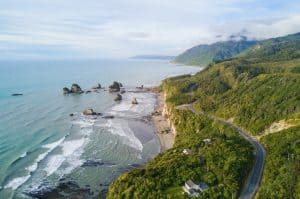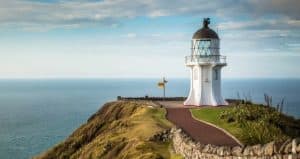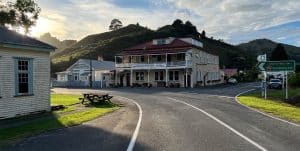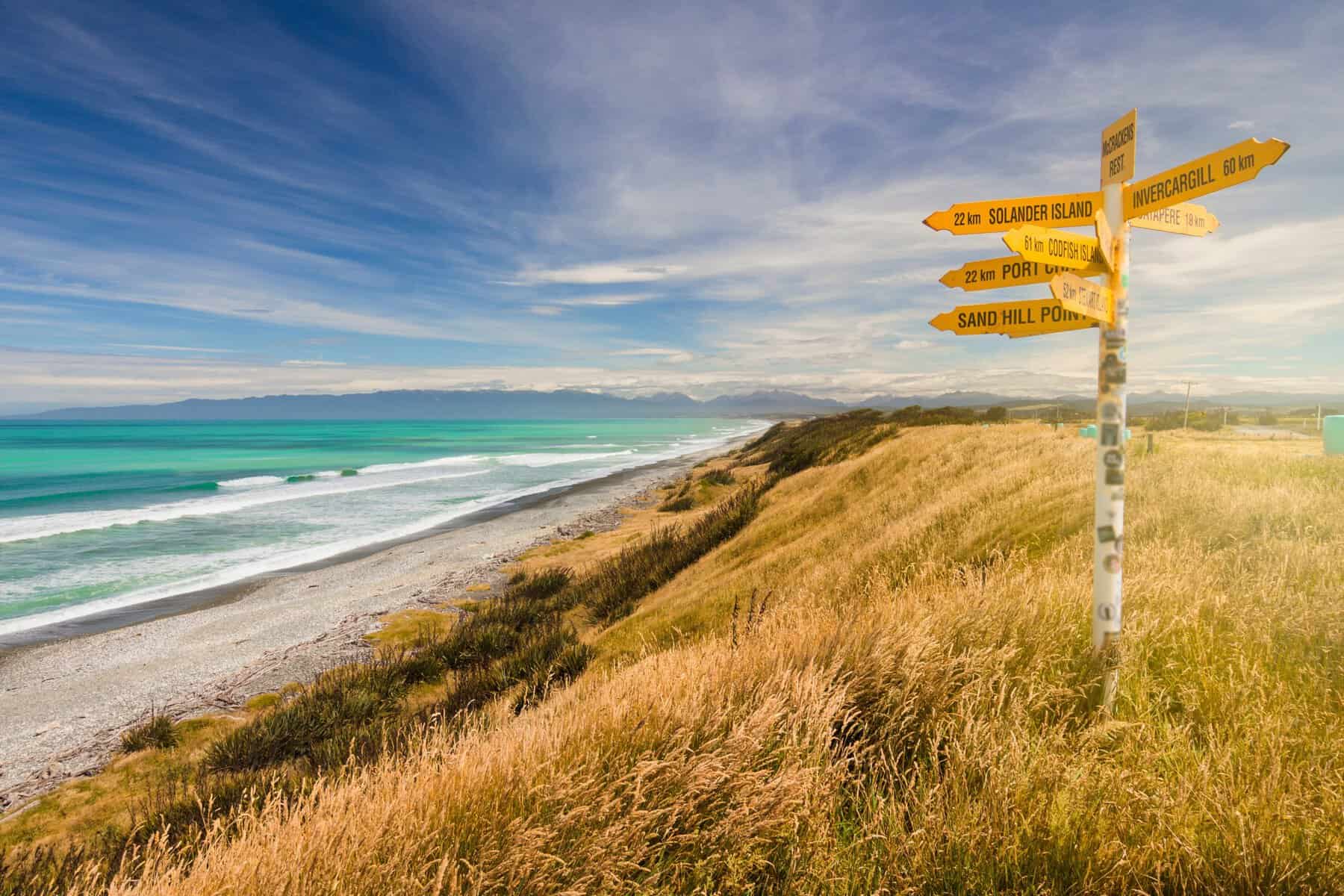
Straight answers to the questions travellers ask most when planning a New Zealand trip, from when to go and how to get around to where to stay, what to do, and where to see kiwi.
Planning Your New Zealand Trip
When is the best time to visit New Zealand?
New Zealand’s peak summer season runs from December to February, when temperatures across the country are warmest (18–28°C in most regions) and daylight extends to 9–10pm in the south. This period is busiest and most expensive. Shoulder seasons — October to November and March to April — offer good weather with smaller crowds and lower accommodation prices. Winter (June to August) is ideal for skiing in Queenstown, Wanaka, and the central North Island, and for seeing the country’s geothermal and cultural attractions without queues. The West Coast and Fiordland receive heavy rainfall year-round regardless of season.
How long do I need to see New Zealand properly?
Most international visitors allocate 10–21 days. Two weeks is generally considered the minimum to cover highlights of both islands without feeling rushed: roughly 5–6 days in the North Island (Auckland, Rotorua, Wellington) and 7–8 days in the South Island (Nelson, Queenstown, Milford Sound, Christchurch). Three weeks allows a more relaxed pace and access to lesser-visited regions such as the Coromandel, Hawke’s Bay, the West Coast, and the Catlins. New Zealand’s road network means that self-driving is the most practical way to see the country, and distances between major attractions are longer than they appear on a map.
Do I need a car to travel New Zealand?
A rental car or campervan is strongly recommended for independent travel in New Zealand. Public transport connects major cities (Auckland, Wellington, Christchurch, Dunedin) and some tourist hubs (Queenstown, Rotorua, Picton) by bus and limited rail services, but the country’s most remarkable landscapes — the Coromandel, West Coast, Marlborough Sounds, Central Otago, Northland — are effectively inaccessible without private transport. Rental cars are available from all major airports. New Zealand drives on the left. Roads in rural areas and on the West Coast are often unsealed, narrow, and winding — allow significantly more travel time than distance alone suggests.
What is the best way to plan a New Zealand road trip?
The most practical New Zealand road trip structure is a loop: fly into Auckland, drive the North Island (Northland, Coromandel, Rotorua, Taupo, Wellington), take the Interislander or Bluebridge ferry from Wellington to Picton, drive the South Island (Nelson, West Coast, Queenstown, Fiordland, Christchurch), and fly home from Christchurch or Queenstown. Alternatively, fly into one island and out of the other to avoid doubling back. Campervans allow maximum flexibility and reduce accommodation booking pressure. Tripplanner.nz provides an interactive map showing attractions, accommodation, and activities across all regions, allowing you to plan your daily stops in sequence.
Is New Zealand suitable for solo travellers?
New Zealand is widely considered one of the safest and most practical countries in the world for solo travel. Crime rates are low, English is the primary language, infrastructure is reliable, and hostel networks (particularly YHA and Base) are well-established in all tourist centres. Solo travellers driving rental cars should be aware that New Zealand roads have a higher fatality rate than Australia or the UK per kilometre driven, partly due to unfamiliar road conditions and driver fatigue on long rural stretches.
What visa do I need to visit New Zealand?
Citizens of Australia do not require a visa and can stay indefinitely. Citizens of around 60 visa-waiver countries, including the United States, Canada and most EU countries, can visit visa-free for up to three months (up to six months for UK citizens). Visitors from visa-waiver countries must obtain an NZeTA (New Zealand Electronic Travel Authority) before travel — it costs NZD $17 through the official app or NZD $23 online, plus the NZD $100 International Visitor Conservation and Tourism Levy (IVL). Allow up to 72 hours for approval. Citizens of countries not on the visa waiver list must apply for a visitor visa through Immigration New Zealand. Requirements change periodically; check immigration.govt.nz for current information.
Getting Around New Zealand
How do I get between the North Island and South Island?
The Cook Strait crossing between Wellington and Picton is served by two ferry operators: Interislander (KiwiRail) and Bluebridge. Both operate multiple crossings daily in each direction. The crossing takes approximately 3.5 hours on the Interislander and 3.5–4 hours on Bluebridge. Booking well in advance is strongly recommended during summer (December–February) and school holidays. Vehicles including campervans and rental cars can be taken on both ferries. Flying between the islands (Auckland–Christchurch, Wellington–Queenstown, etc.) is faster but requires dropping and re-collecting a rental vehicle.
What are the best domestic flights in New Zealand?
Air New Zealand operates the most comprehensive domestic network, connecting Auckland, Wellington, Christchurch, Queenstown, Dunedin, Hamilton, Rotorua, Napier, Nelson, and approximately 20 other centres. Jetstar operates lower-cost services on the main trunk routes (Auckland–Wellington, Auckland–Christchurch, Auckland–Queenstown). Domestic flights in New Zealand are relatively expensive compared to Australia or Europe; booking 4–8 weeks in advance significantly reduces fares. The Auckland–Queenstown route is the most frequently searched domestic flight by international visitors.
Can I travel New Zealand by train?
New Zealand’s passenger rail network is extremely limited compared to most developed countries. KiwiRail operates three scenic tourist trains: the Northern Explorer (Auckland–Wellington, 3 times per week), the Coastal Pacific (Picton–Christchurch, seasonal), and the TranzAlpine (Christchurch–Greymouth, daily). These services are primarily tourist experiences rather than practical transport options. There is no rail connection to Queenstown, Rotorua, Nelson, or most of the South Island’s visitor destinations. Most New Zealand travel requires road or air transport.
Accommodation in New Zealand
What types of accommodation are available in New Zealand?
New Zealand’s accommodation sector spans hotels, motels, Airbnb properties, holiday parks (campgrounds with cabins), backpacker hostels, DOC (Department of Conservation) huts and campsites, and farm stays. Holiday parks are a distinctively New Zealand accommodation format: large campgrounds that combine tent and powered campervan sites with cabin and motel-unit accommodation, communal kitchens, and facilities. They exist in almost every town and are among the most cost-effective options for families and campervan travellers. DOC huts on Great Walks require advance booking and hut passes; backcountry huts elsewhere are available on a first-come basis with a standard hut ticket.
How do I find accommodation that suits my activities?
Planning accommodation around activities — rather than choosing activities based on where you’re staying — significantly improves a New Zealand trip. Tripplanner.nz is designed specifically for this approach: the interactive map shows accommodation and attractions together on one screen, allowing travellers to see what’s available near a particular beach, walking track, or attraction before booking. Direct booking links connect to individual properties and platforms without commission charges.
Is Airbnb popular in New Zealand?
Airbnb is widely available across New Zealand, including in rural and coastal areas where hotels and motels are limited. In small towns, holiday settlements, and wine regions, Airbnb and holiday home rentals are often the primary accommodation option. Tripplanner.nz lists Airbnb properties alongside hotels, motels, and holiday parks on a single interactive map, making it possible to compare all options in a given area simultaneously. Many Airbnb hosts in New Zealand offer direct booking options through their own websites, which can be more cost-effective than booking through the Airbnb platform.
Things to Do in New Zealand
What are the best family activities in New Zealand?
New Zealand offers exceptional family travel across all regions. Highlight family experiences include: the Waitomo Glowworm Caves (Waikato), Kelly Tarlton’s Sea Life Aquarium (Auckland), Wai-O-Tapu geothermal park (Rotorua), the Skyline Gondola and Luge (Queenstown), Te Papa national museum (Wellington), the International Antarctic Centre (Christchurch), Franz Josef Glacier guided walks (West Coast), and the Huka Falls (Taupo). Most national parks have short accessible walks suitable for children. New Zealand beaches are generally safe for swimming in patrolled areas during summer, and surf lifesaving clubs (indicated by red and yellow flags) operate at most popular beaches from November to April.
What accessible travel options exist in New Zealand?
New Zealand has made significant investment in accessible tourism infrastructure. Key accessible experiences include: the New Plymouth Coastal Walkway (13km, flat and paved), the Huka Falls viewing area (sealed path, handrails), Te Papa museum (fully accessible), Queenstown’s town centre and lake promenade, the Rotorua Polynesian Spa (accessible pool entry), Christchurch’s Botanic Gardens (flat, sealed paths throughout), and many of the country’s major visitor attractions which have accessible toilet facilities and parking. Tripplanner.nz includes an Accessible Activities category that filters listings to show experiences with confirmed accessibility features.
What are the best things to do in New Zealand for free?
A large proportion of New Zealand’s best experiences are free. These include: all national park walks (DOC manages 13 national parks with free public access), most beaches (public access is protected by the Queen’s Chain legislation), the Auckland Domain and War Memorial Museum exterior grounds, Huka Falls viewing area, Rotorua’s Kuirau Park (a free public park with bubbling mud pools and steaming lakes), the Christchurch Botanic Gardens, and hundreds of DOC scenic reserves and bush walks. Freedom camping (overnight camping outside of formal campgrounds) is permitted in designated areas with a certified self-contained vehicle.
What Māori cultural experiences are available to visitors?
Māori cultural tourism is well-developed across New Zealand, with the strongest concentration in Rotorua, the Bay of Islands, and Wellington. Recommended experiences include Te Puia in Rotorua (geothermal valley and Māori arts institute), Waitangi Treaty Grounds in the Bay of Islands (New Zealand’s most significant historic site), Tamaki Māori Village (evening cultural performance and hāngī, Rotorua), Mitai Māori Village (warrior canoe arrival and kiwi forest walk, Rotorua), and Te Papa’s Māori galleries in Wellington. Community-run marae visits and cultural stays are available in Northland, the East Coast, and the Waikato for visitors seeking more immersive contact with everyday Māori life.
What adventure activities is New Zealand known for?
New Zealand is globally recognised as an adventure tourism destination. Queenstown is the most concentrated adventure hub, offering bungee jumping (AJ Hackett’s original 43-metre Kawarau Bridge site), skydiving, jet boating (Shotover Jet), white water rafting, and paragliding. Rotorua offers zorbing, luge, mountain biking, and white water rafting on the Kaituna River (with a 7-metre waterfall). Kaikōura is the premier location for whale watching, dolphin swimming, and sea kayaking. The Tongariro Alpine Crossing is New Zealand’s most popular adventure day walk. Heli-skiing and ski touring operate in the Southern Alps from June to October.
New Zealand Nature & Wildlife
Where can I see kiwi in New Zealand?
Kiwi are nocturnal and extremely difficult to observe in the wild. The most reliable way to see kiwi is at a nocturnal house in a zoo or wildlife sanctuary: Auckland Zoo, Wellington Zoo, Rainbow Springs in Rotorua, and Kiwi Birdlife Park in Queenstown all maintain kiwi. For wild kiwi encounters, Zealandia (the Wellington ecosanctuary) runs guided kiwi spotting tours at night with a high sighting success rate. The Coromandel Peninsula and the Hauraki Gulf islands (particularly Tiritiri Matangi, accessible by ferry from Auckland) have established wild kiwi populations accessible to visitors.
Where can I see dolphins in New Zealand?
Dolphin encounters are available at multiple locations across New Zealand. Kaikōura on the South Island’s east coast is the most reliable location for dusky dolphin encounters, with swim-with-dolphin tours operating year-round in a marine environment that also supports sperm whales and New Zealand fur seals. The Bay of Islands in Northland offers common and bottlenose dolphin cruises, with sightings on the majority of trips. Hector’s dolphins — the world’s smallest dolphin species, endemic to New Zealand — are seen at Akaroa (Banks Peninsula), Kaikōura, and the Catlins Coast. Māhia Peninsula and Raglan on the west coast also have resident dolphin populations.
What are New Zealand’s Great Walks?
New Zealand has 11 Great Walks — premier multi-day tracks, most managed by the Department of Conservation (DOC): Lake Waikaremoana (3–4 days), the Tongariro Northern Circuit (3–4 days), the Whanganui Journey (5 days, canoe), the Abel Tasman Coast Track (3–5 days), the Heaphy Track (4–6 days), the Paparoa Track (2–3 days, opened 2019), the Routeburn Track (2–4 days), the Milford Track (4 days, described as ‘the finest walk in the world’ since 1908), the Kepler Track (3–4 days), the Rakiura Track on Stewart Island (3 days), and the Hump Ridge Track in Fiordland (3 days, added in 2024). Most require advance hut or campsite bookings, particularly in summer. The Tongariro Alpine Crossing is often mistaken for a Great Walk; it is a separate one-day walk that shares part of the Tongariro Northern Circuit.
Using Tripplanner.nz
What is Tripplanner.nz and how does it work?
Tripplanner.nz is a New Zealand travel directory and interactive trip planning tool built on crowdsourced listings from locals and businesses across New Zealand. The site’s interactive map displays attractions, accommodation, restaurants, and activities together on a single screen, allowing visitors to see everything available in a given area simultaneously. Users can filter by category (beaches, walks, accommodation type, accessible activities, Māori culture, food and dining, music and nightlife) or search by location. Listings include photos, descriptions, visitor reviews, and direct contact or booking links. Accommodation listings connect directly to property websites or booking platforms, with no commission charged.
Can local businesses and accommodation providers list on Tripplanner.nz?
Yes. Tripplanner.nz accepts listings from accommodation providers (hotels, motels, Airbnb owners, holiday parks) and local businesses. Visitor attraction listings — beaches, walks, cycleways, lookouts, markets, cultural sites, and natural features — are free to list and published immediately after a brief review. Accommodation and business listings are available from NZD $5.99 per month with a one-month free trial and no contract. Listings can be created in minutes and include photos, descriptions, contact details, map location, and links to external websites or booking platforms.
Is Tripplanner.nz free to use for visitors?
Yes. Tripplanner.nz is completely free for visitors planning a trip to New Zealand. There is no registration required to use the search and map tools, browse listings, or access reviews and contact information. The site earns revenue through paid listings from accommodation providers and businesses, not from visitors. No booking commissions are charged — all booking links connect directly to the property or business.

Author: Tripplanner Team
The Tripplanner.nz editorial team, based in Matakana north of Auckland. We write the regional guides and road trips, and add listings for places we think every visitor should know about, alongside the locals who share their own favourite spots here.