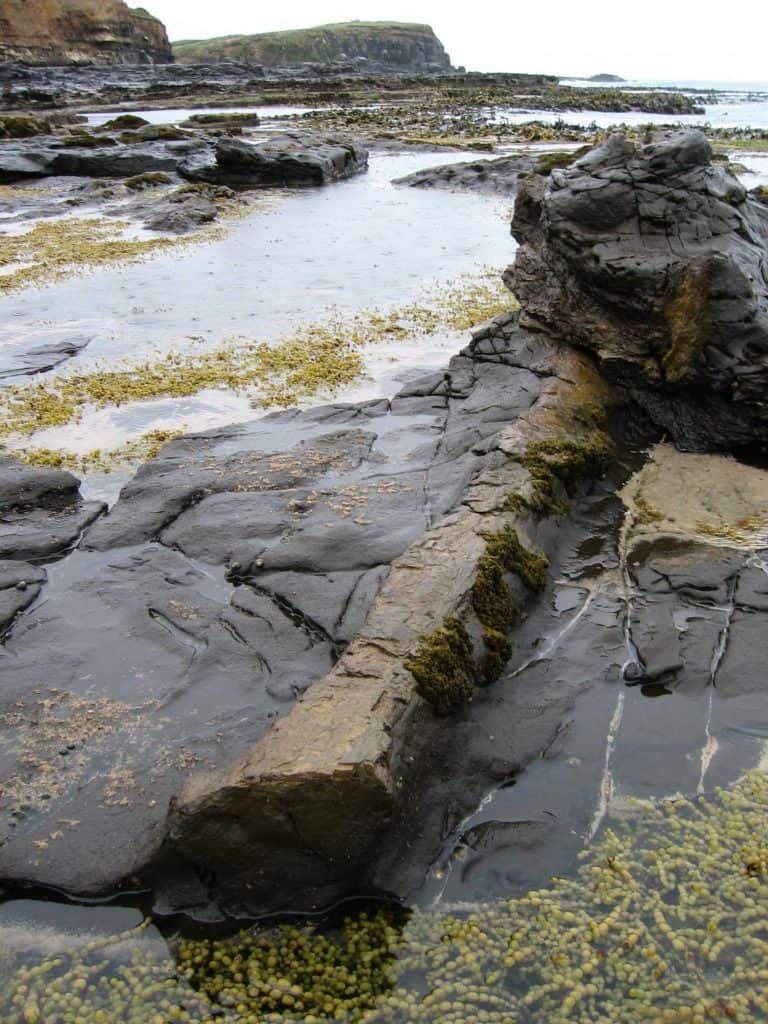
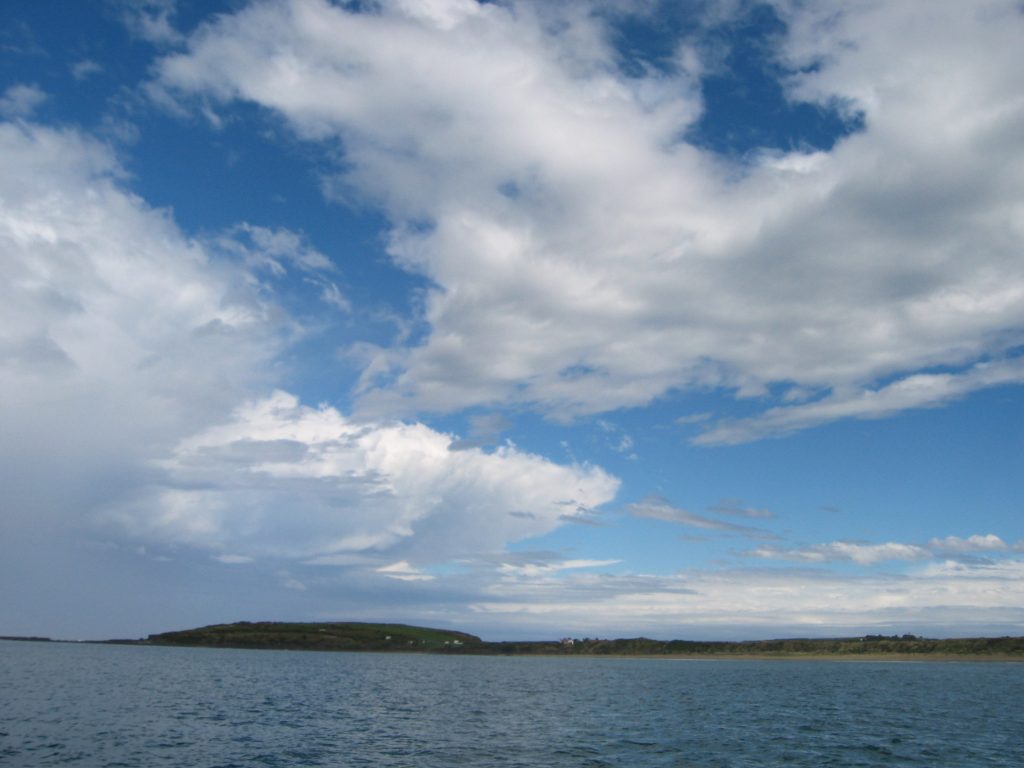
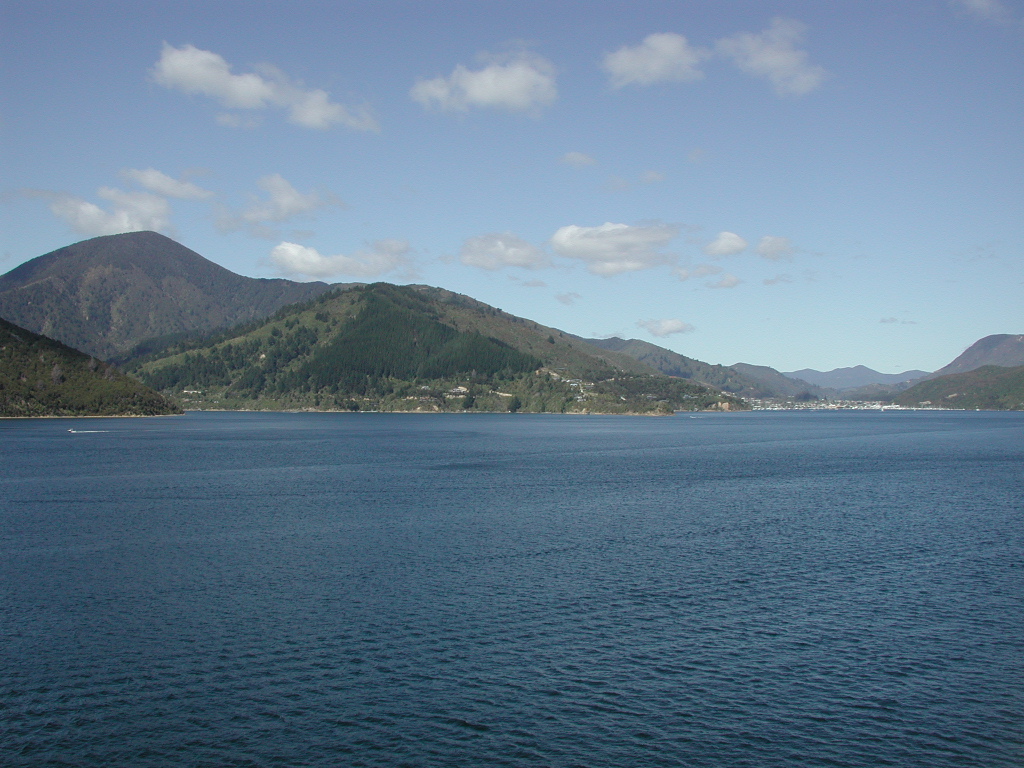
Curio Bay, at the southern end of the Catlins coast, is one of those rare free days out where the main attraction is quite literally under your feet. Tumu Toka, as it’s known locally, holds one of only three easily accessible fossil forests on Earth — a 180-million-year-old stand of Jurassic conifers, buried and re-buried by volcanic mudflows at least four times over roughly 20,000 years, then slowly turned to stone as silica replaced the wood grain by grain.
Park roadside by the viewing platform (it’s a sealed, wheelchair- and buggy-friendly path, about ten minutes there and back) and read the interpretive panels before you time your visit around the tide. The stumps and logs — and in a few spots, even fossilised fern fronds — only really show themselves as the tide goes out, so check a tide table and aim to arrive on the ebb. Steps lead down from the platform onto the rock shelf itself when conditions allow, though nothing here should be touched, climbed on, or taken home.
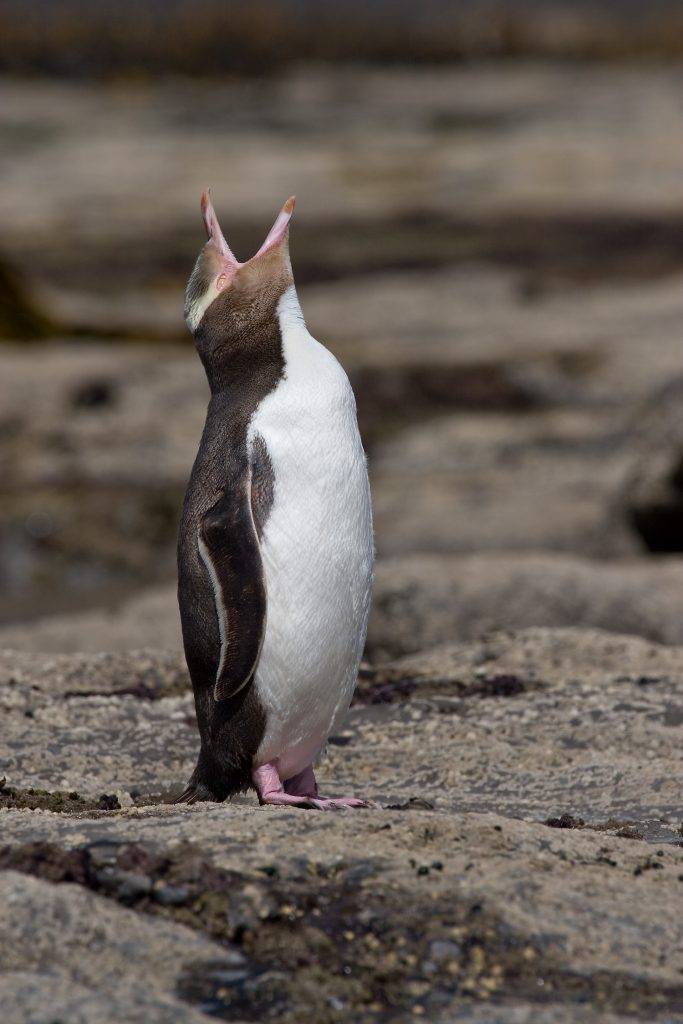
While you’re waiting for the tide, it’s worth the short drive around to Waikawa or down to Porpoise Bay next door, where yellow-eyed penguins (hoiho) — one of the world’s rarest penguin species — nest in the surrounding hillsides and dolphins are regularly spotted surfing the breakers close to shore.
There’s no entry fee, no gate and no set hours, and parking is free, but this is genuinely remote — don’t expect shops or much phone signal, so fuel up and bring supplies from Invercargill or Tokanui first. Drones aren’t permitted over the fossil site.
Photos: Avenue (CC BY-SA 3.0), Christian Mehlführer (CC BY 2.5), Pseudopanax (Public Domain) via Wikimedia Commons.